Vagus Nerve Stimulation (VNS) has been used to treat 175,000+ humans with epilepsy — now VNS is available for dogs with drug-resistant epilepsy.
Understanding Canine Epilepsy
Watching your dog have a seizure is one of the most frightening things a pet owner can experience. There is more you can do.
About 1 in 3 dogs keep having seizures despite medication.† If your dog has failed 2+ medications, there's another option.
Long-term AED use can cause side effects such as sedation, behavior changes or liver effects. Milo works electrically and adds no drug.
In VNS studies in people, benefits usually showed up within the first months and kept building for a year or more.
The Milo System
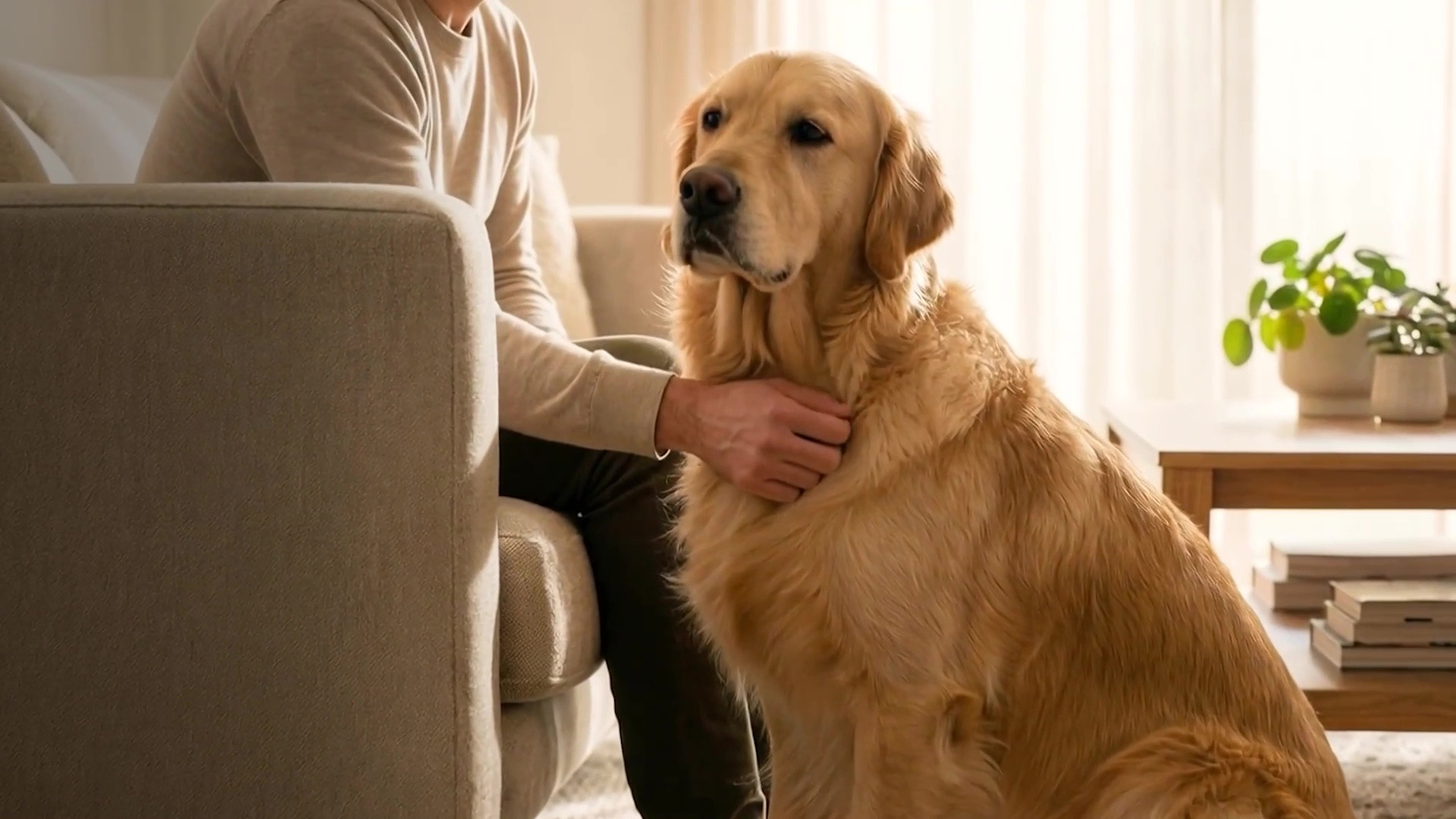
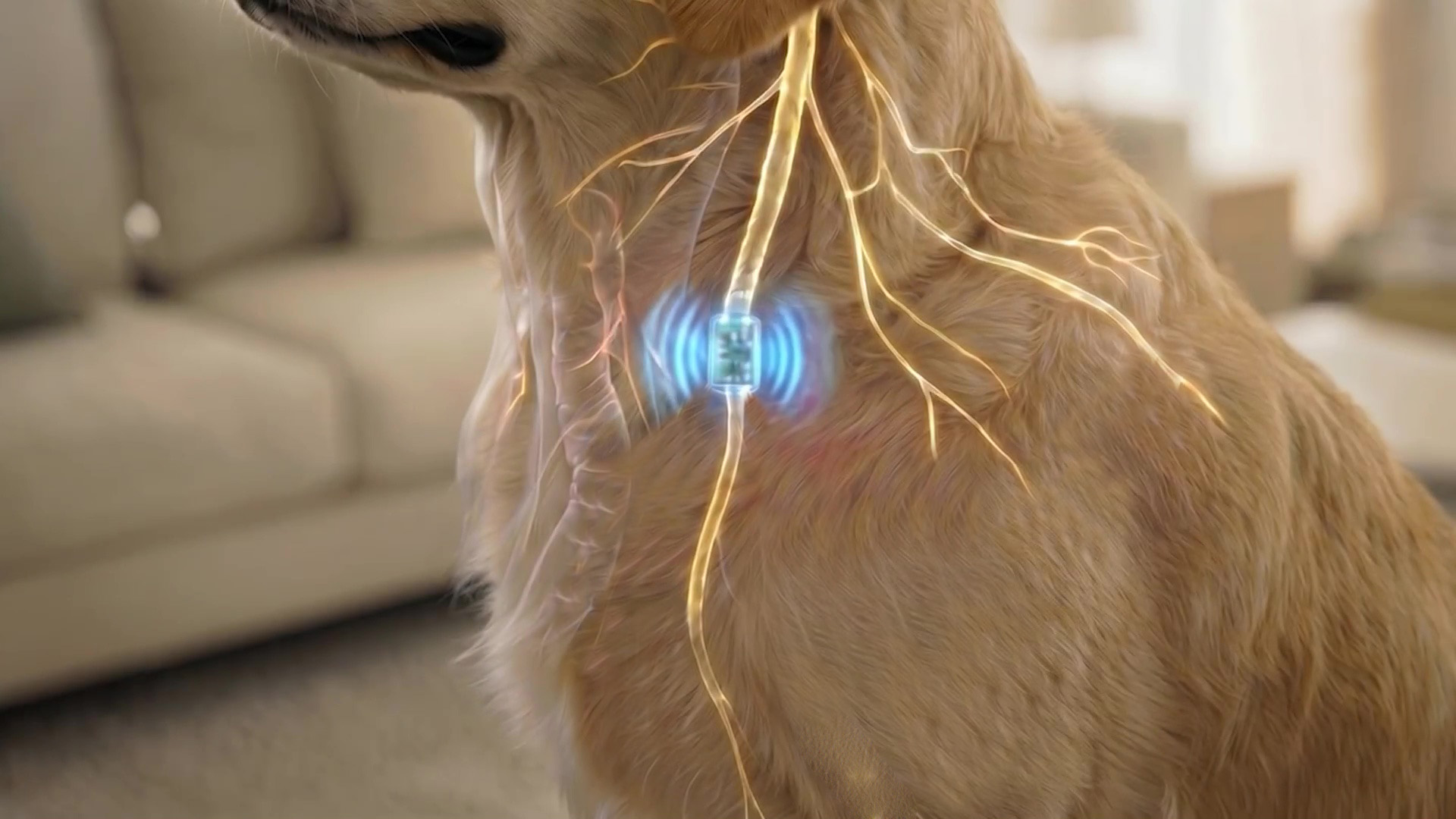
A tiny implant, a smart collar, a connected app, and a clinician portal — working automatically together.
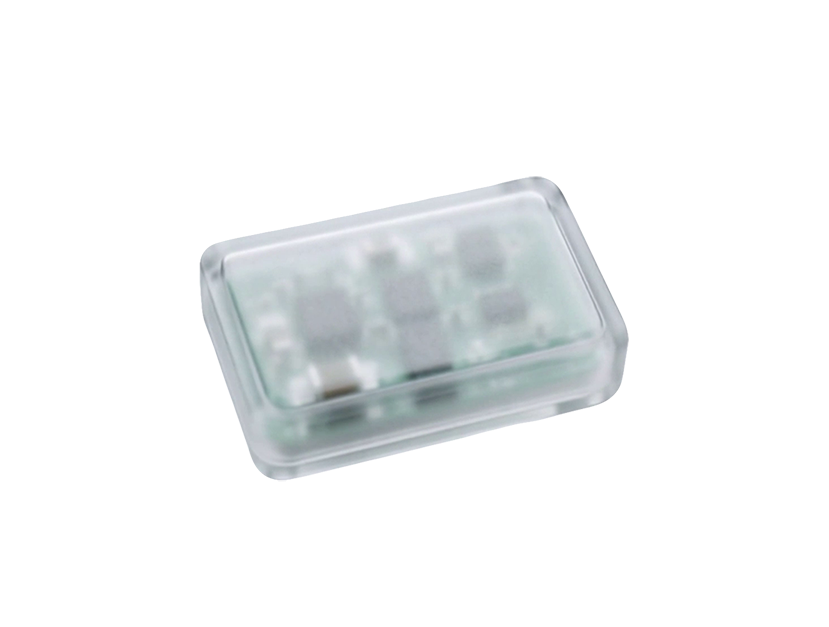
Hermetically-encapsulated pulse generator. Wirelessly powered and controlled - no need for replacement.
< 0.4 cc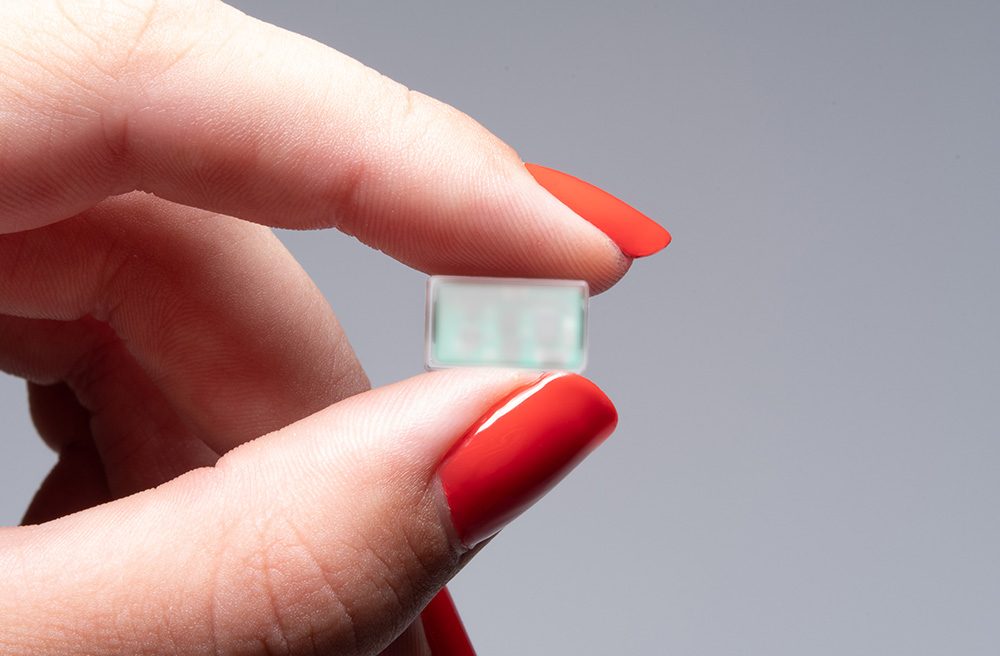
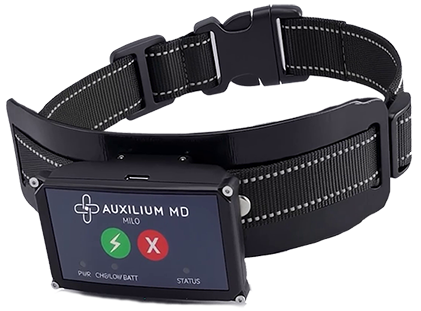
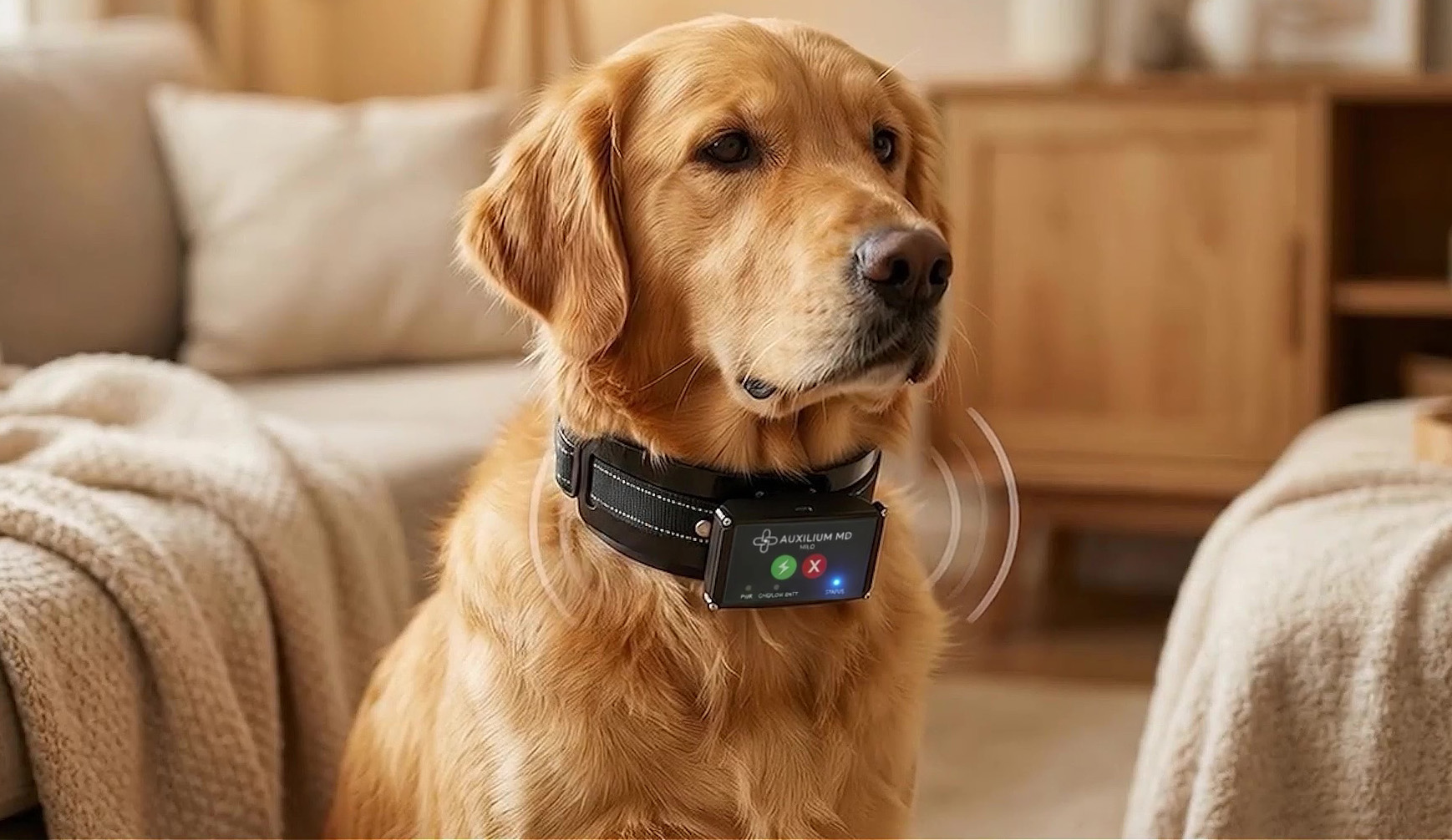
Worn daily. Wirelessly powers the implant via inductive coil. USB rechargeable, 24-hour battery.
174g · Adjustable 12"–28"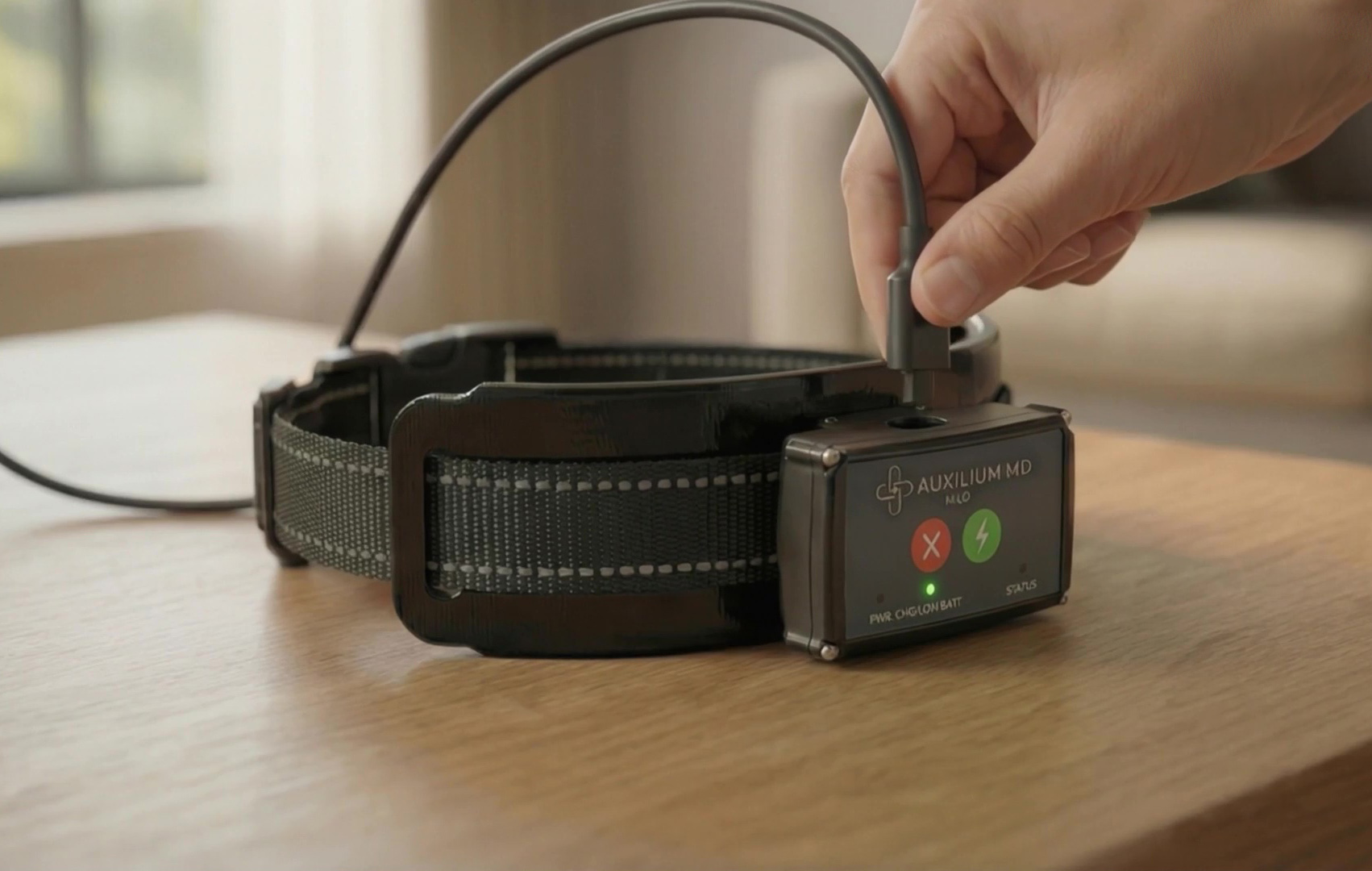
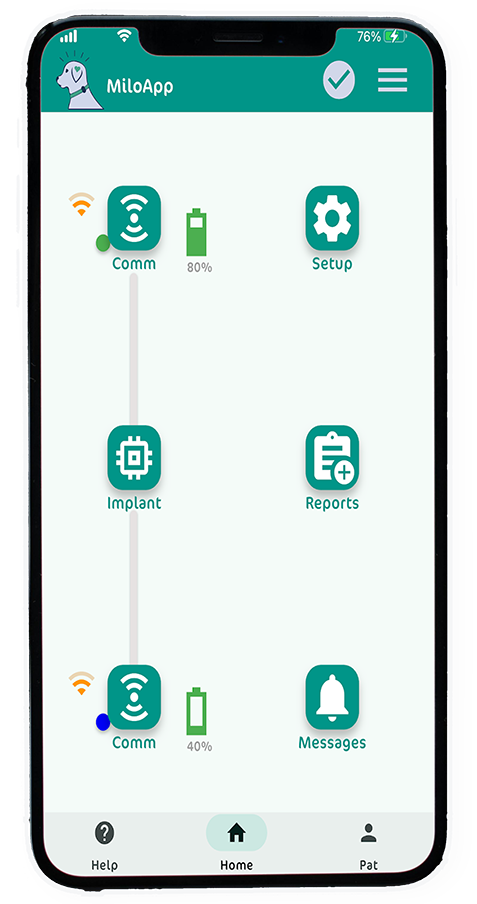
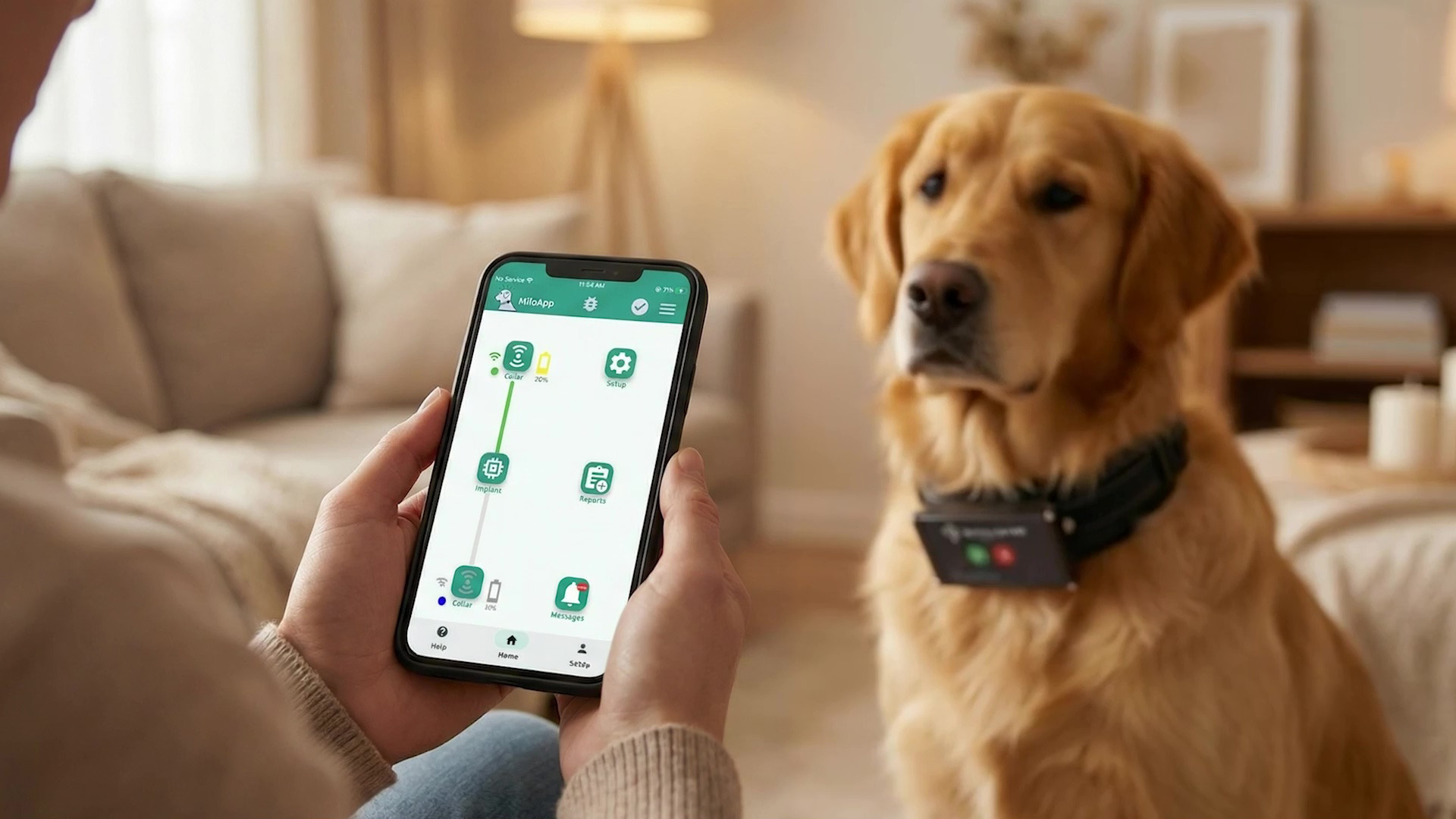
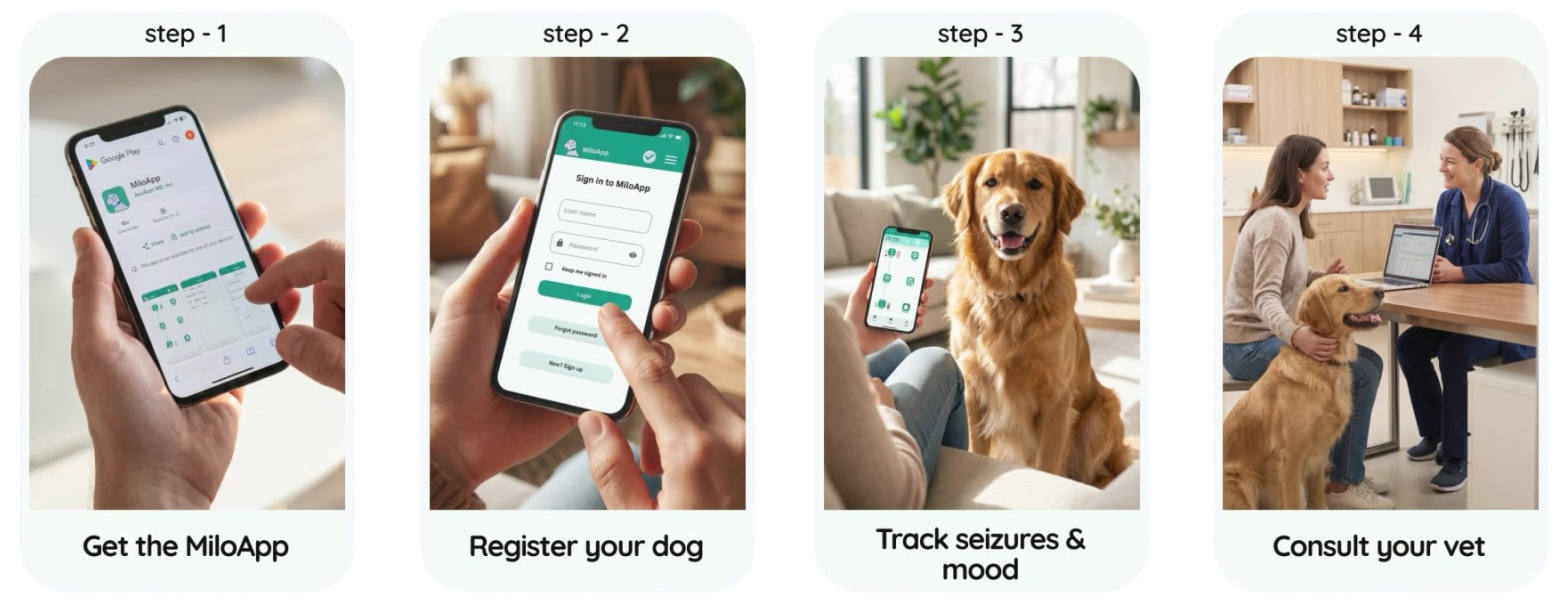
Pet owners monitor system status and log seizures via MiloApp.
Free for families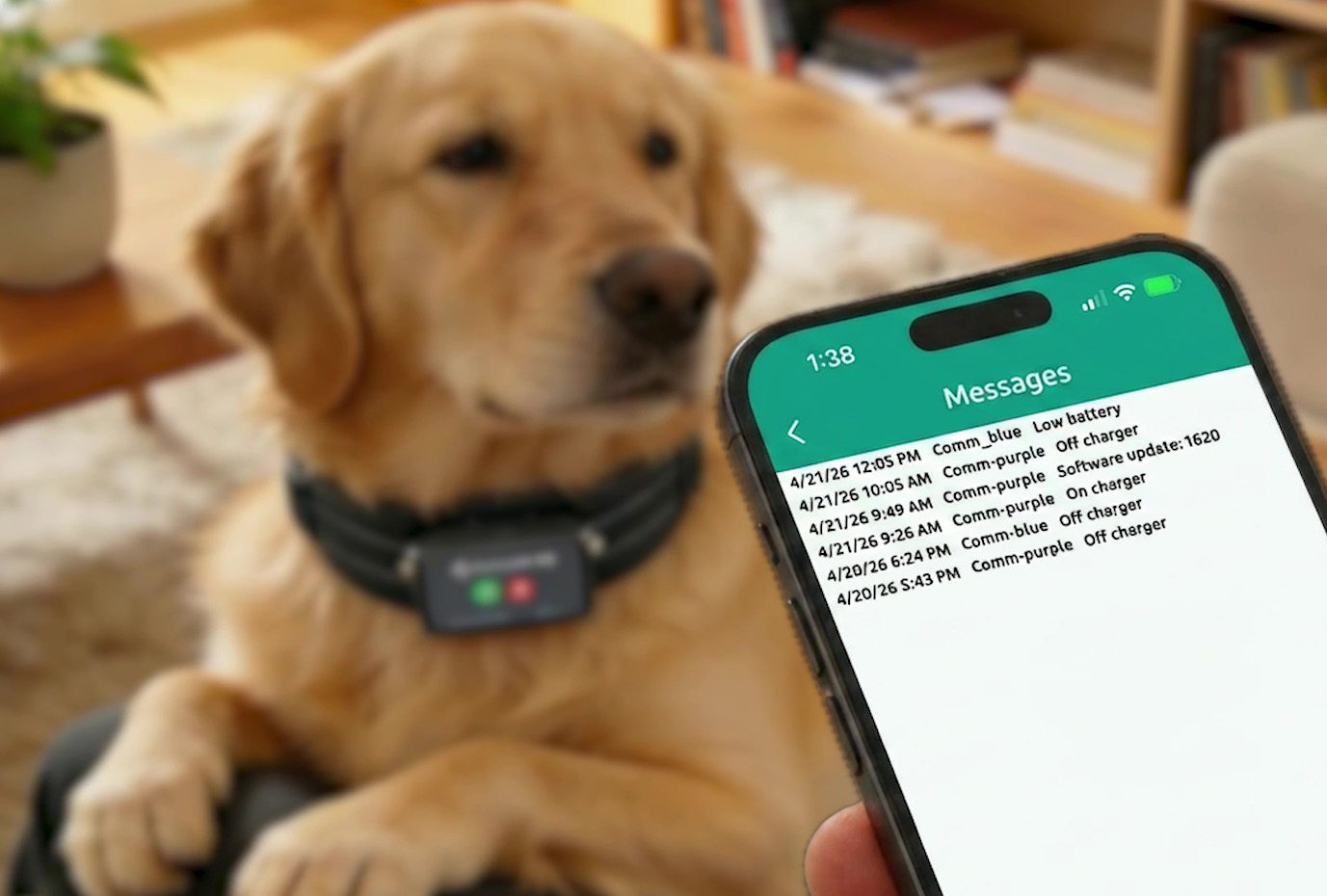
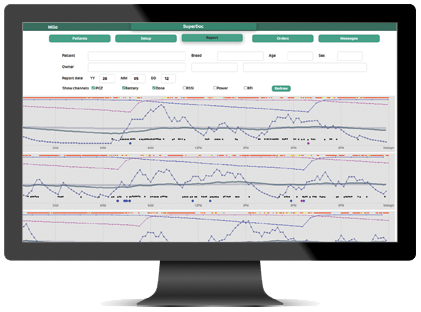
Neurologists monitor and program remotely via AuxDoc — no clinic visit needed.
Web portal for clinicians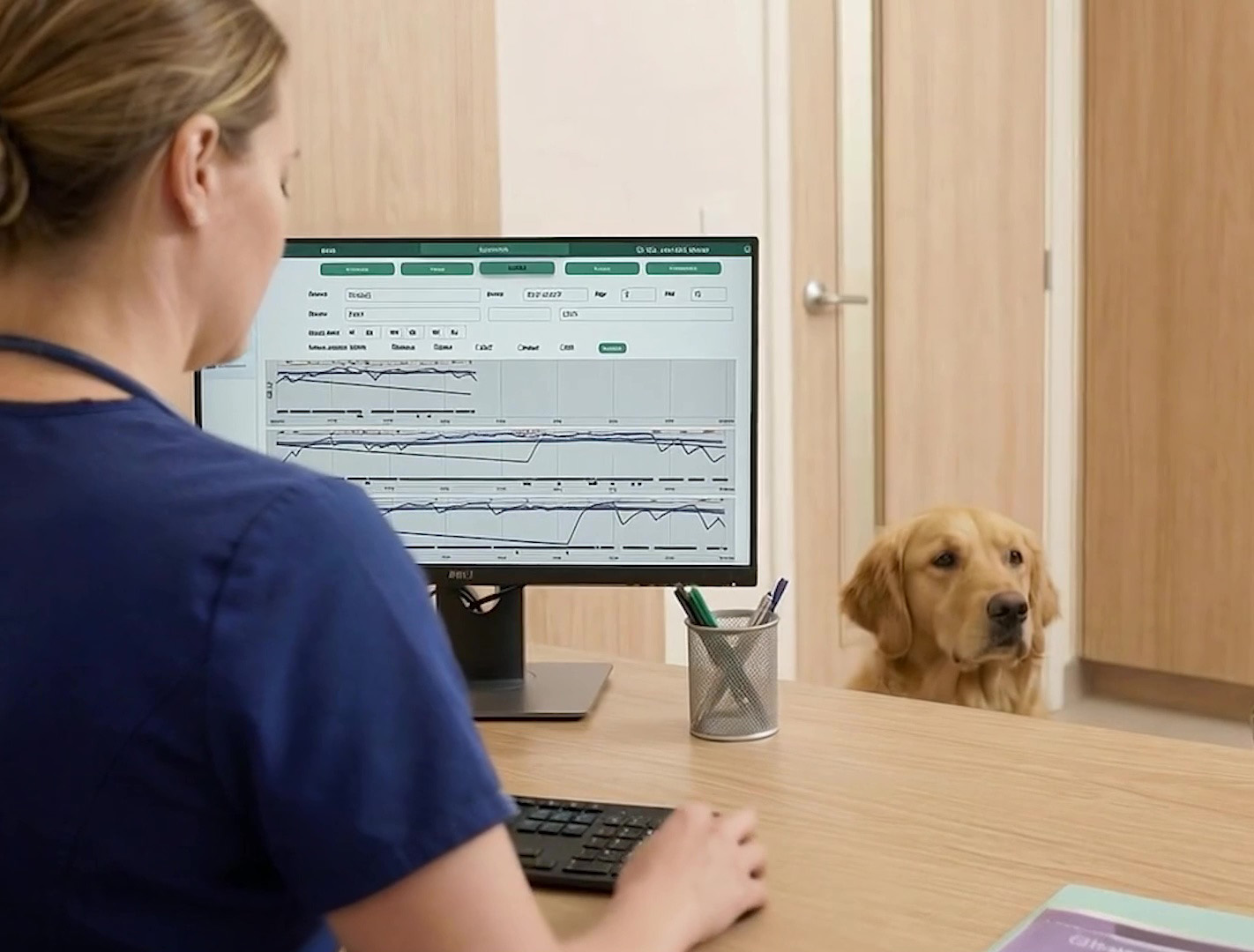
For Pet Parents
Milo is a new option for dogs who still have seizures despite medication. It adds vagus nerve stimulation to their current treatment.

Ask for a referral to a board-certified veterinary neurologist.
Candidacy is assessed based on seizure history, prior medication trials, and overall care goals.
Your neurologist will explain what implantation involves, expected recovery, and follow-up planning.
The collar powers the implant wirelessly and supports ongoing therapy use at home. When the battery runs low, swap in the second collar and charge the first.
Track therapy status and log seizures. Your neurologist reads the log to fine-tune the settings.
Monitor therapy status, log seizures, receive alerts, and share reports with your neurologist. You can also use MiloApp before or without Milo VNS.


Milo builds on the ReStore implant platform, studied in people under three FDA Investigational Device Exemptions for non-epilepsy indications. In a 26-week GLP safety study in dogs, the vagus nerve was histologically normal with no implant-site infection. Implantation carries the risks of any surgery, and the most common side effect is a mild cough during stimulation, usually eased by adjusting settings.
Similar to a normal collar, with a wider frontal section and an attached electronics module. Adjustable 12–28 inches, USB rechargeable, 24-hour battery life.
Therapy pauses but resumes immediately when the discharged collar is replaced with a charged one. The MiloApp sends low-battery alerts to help prevent interruptions to therapy.
Owner-Reported Results
We interviewed a small group of early Milo owners about how their dogs have changed. Below is every owner who completed the interview, including dogs that haven't improved. These are owners' own reports, not a clinical trial, and they can't predict how your dog will respond.
A dog can count in several rows.
Of owners who could date it
Mood and recovery usually shifted first; fewer seizures tended to follow at about 3–6 months.
Owners described shorter seizures, smaller focal seizures in place of full convulsions, and for some dogs, recovery in minutes rather than hours.
Owners press it on the collar or in the app when a seizure starts. Some said it stopped or shortened a seizure; others can't yet tell. It is not a substitute for your emergency plan.
Owners described dogs that were calmer, less anxious and more playful, with more interest in toys, people and other dogs. Mood was often one of the first changes noticed.
40% of owners mentioned a cough during stimulation. A known VNS effect; for some dogs it eased over time or when the neurologist lowered the setting.
A randomized, controlled clinical study of Milo in dogs with epilepsy is in progress; results will follow.
What to Expect
In VNS studies in people*, benefits usually showed up within months and kept building for a year or more. Our owners describe a similar pattern. Not every dog responds.
Healing and settling into the collar routine. Some owners notice early changes. Keep logging.
Your neurologist fine-tunes the settings. Most owners we asked saw a first change by 3 months.
The picture gets clearer. Every owner who could date it saw a first change within about 6 months.
A good point to review progress with your neurologist. Benefits can keep building through year one and beyond.
Real Stories
"Our family is feeling so much relief now that we are seeing a difference in the amount of seizures Ripley is having. We didn’t expect to see a change after only five months. She has started playing with our other family pets again. I would do it again tomorrow."
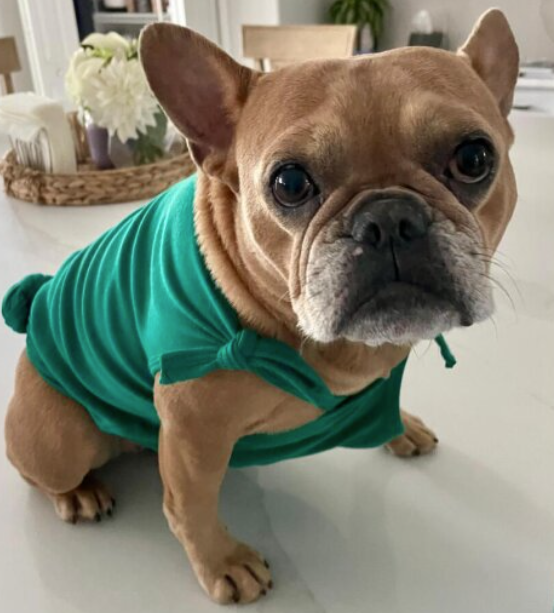
"The Milo System has given us real peace of mind in our daily lives, allowing us to finally relax knowing we have something reliable to depend on. It has also greatly improved Quinn’s quality of life by easing the severity of her seizures and significantly reducing their frequency."
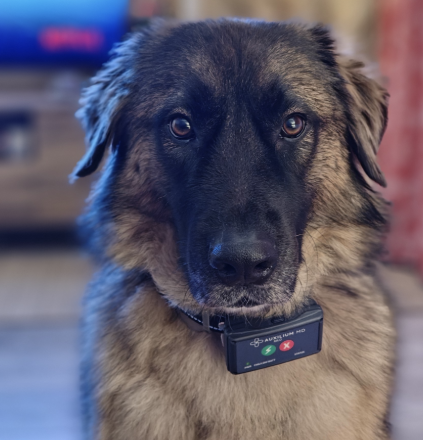
"We understood this wouldn’t be a quick fix, but we noticed quite early on that the post ictal recovery time was shorter. […] We believe that Milo has had such a positive effect on both Freckles and us, and he enjoys a full life. We can’t thank the Milo team enough."
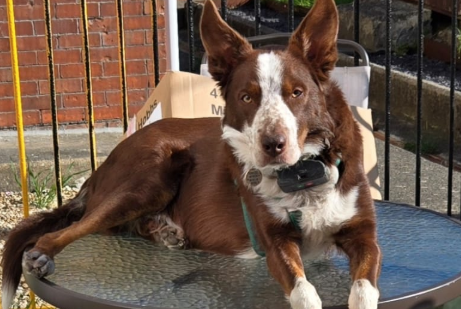
"My favorite thing about the Milo collar is having a non-pharmaceutical option to help my dog live a longer, happier life. Although we have a dog with epilepsy, we no longer have a dog debilitated by epilepsy thanks to his Milo collar."
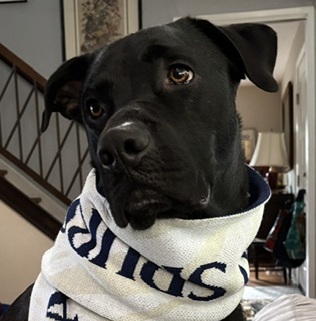
“I haven’t seen any improvement in frequency of his seizures yet. I’ve actually had to increase two of his medications due to the frequency of his seizures. However, I have seen a big benefit as far as seizure severity is concerned. The vast majority of his seizures are focal and the postictal period is dramatically shorter.”
“He’s not as destructive. He’s not as anxious. He has started occasionally going to his toy basket again and picking up toys, as he had stopped playing entirely.”
“We’ve actually got one day a week where he’s got a dog walker and she’s confident to take him… which is revolutionary for us. … I can’t say it’s all down to the collar and I can’t say it’s all down to the medication or all down to us. I think it’s a combined approach.”
“I think it’s lessened my stress because I’m always worried about him going into a seizure and now at least I have something to help him get through it.”
“They’re much less intense and she pulls out much quicker. And it’s really hard because we’re concerned about leaving her.”
“It’s meant hope… we didn’t have hope before. Like it just seemed like it was going to be all bad. And now like the fact that there is something that makes a difference, like that matters a lot.”
“His personality’s better, he’s not as drugged up… He acts more like a dog now.”
“We did notice that he wasn’t as nervous and shaky and on edge as he used to be. And then within the past few months, we’ve actually heard him bark… And we had not pretty much ever heard him bark prior.”
“I think the frequency has decreased. You know, it took a couple of months, you know, initially. But I think the last couple of months she’s had very few.”
Owners' own words, including owners whose dogs' seizures haven't eased. Quotes are verbatim from interviews and emails; filler words and repeats are removed (…). Owners were not paid or given free product. Individual experiences; results vary and not every dog improves.
For Veterinary Neurologists
Milo is the first VNS system purpose-built for dogs — applying VNS principles used in 175,000+ people*, on an implant platform studied in people under three FDA IDEs for non-epilepsy indications.
About a third of dogs stay drug-resistant despite 2+ AEDs.†
In people, VNS benefits build over months.*
Non-pharmacological. No pharmacokinetic drug interactions.
Adjust all parameters via AuxDoc. No clinic visit required for most changes.
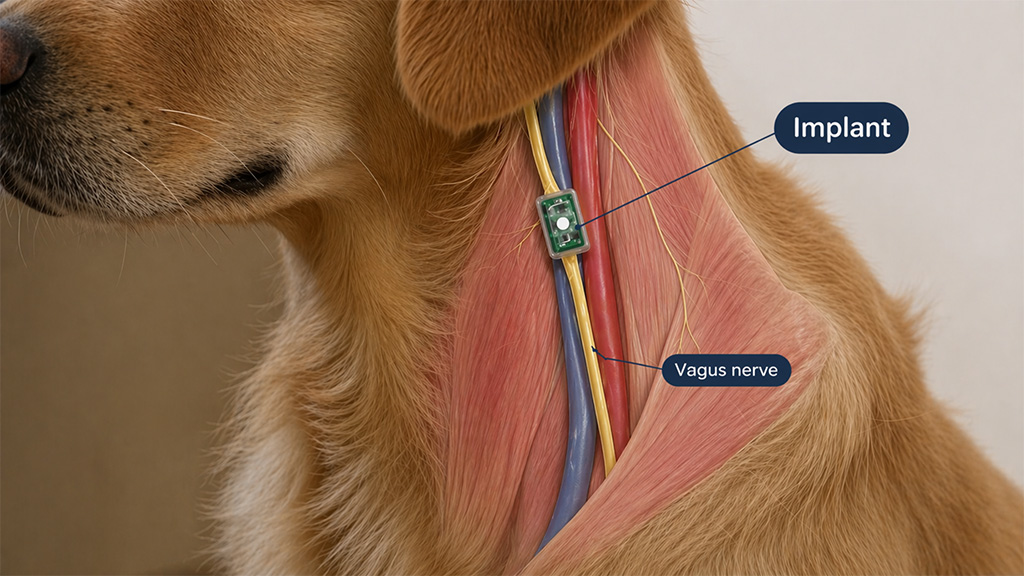
Mechanism of Action

↑ GABA, noradrenaline & serotonin · ↓ aspartate
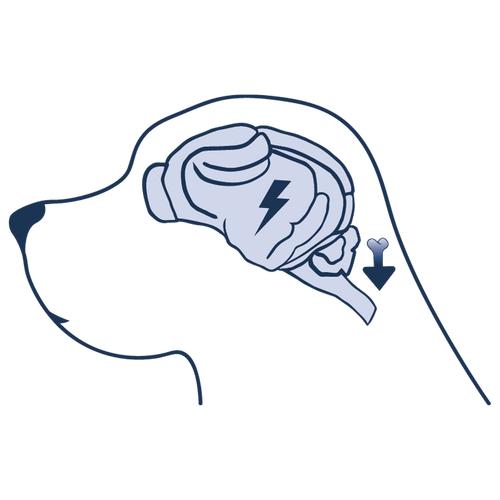
↑ thalamus & cortex perfusion
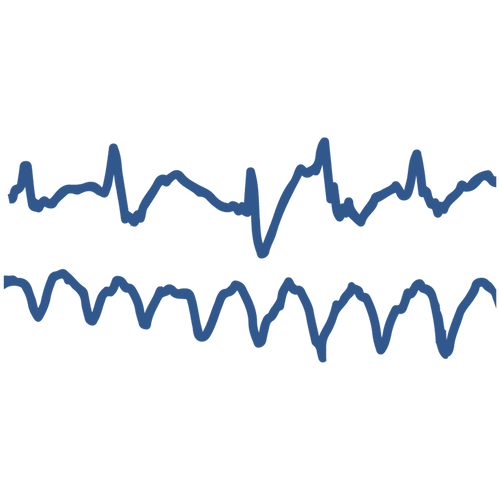
Interrupts synchronized ictal firing
Remote programming, real-time therapy data, seizure logs, and full audit trails. No clinic visit required for most parameter adjustments.
Clinical Evidence
Decades of human VNS data underpin Milo. Published evidence in dogs is still small, so Milo is being studied in a randomized, controlled study (in progress) at UC Davis (AVMA Animal Health Studies Database, VCT25005891). Clinical studies are also underway at the University of Bristol.
Human VNS implantations — the clinical foundation
IDE approvals for the same core implant platform
NAMSA GLP implant safety study
Implantation Centers
Milo is implanted by board-certified veterinary neurologists trained by Auxilium MD.
Bristol, England · Veterinary Neurology Department
Pioneer Center · First ImplantationBecome a Milo implantation center. Full training provided at no cost.
Contact us
About Auxilium MD
Founded by Teliatry, Inc. — makers of some of the world's smallest active implantable medical devices. We believe pets deserve the same standard of care as people. Our team, including our customer support operations, is based in Richardson, Texas, and our products are manufactured in the USA.

Chief Executive Officer

Chief Technology Officer

Chief Scientific Advisor
Veterinary Neurologist

Chief Operating Officer

Chairman